Plasma Donation With Disabilities & Medical Conditions: Eligibility Guide
CSL Plasma is also committed to providing a safe, respectful, and accessible donation experience for everyone.
If you’re wondering, “Can you donate plasma if you take medication?” or “What medical conditions disqualify you from donating plasma?” we’re here to help you find answers.
Many people with disabilities and medical conditions can donate plasma at CSL Plasma. Having a disability does not automatically disqualify you—eligibility is determined individually based on your specific situation. Our centers provide reasonable accommodations including wheelchair accessibility, service animal welcome policies, and support for health aides. Whether you have a mobility disability, sensory disability, neurodivergent condition like autism or ADHD, or mental health condition, here's what you need to know about donating.
Our screening process is the same for all plasma donors
All potential donors go through the same screening process to determine their eligibility.
We screen for basic requirements, such as age, medical history, preexisting medical conditions, medications, and the results of your health check.
Having a disability does not automatically disqualify you from donating.
Our priority is keeping you safe and healthy. In certain cases, our staff may ask donors to get confirmation from a healthcare provider that they may donate plasma.
Our staff is here to provide reasonable accommodation to help make your donating experience comfortable. For your visit, please feel free to:
Bring a service animal.
Service animals are welcome. We just ask that your service animal remains under your control and care throughout the process.
While we may not inquire about the disability related to the service animal, donors must still undergo the standard health assessment and be found qualified to donate.
Bring a health aide or personal assistant.
Anyone may bring a health aide or personal assistant to help with mobility or other needs.
Ask questions and request accommodations.
Give us a call. Talk to us about your needs or concerns. We’ll work with you to determine the best way forward, depending on your medical history and your local center’s amenities. You can find more details in our CSL Plasma Accessibility Statement, too.
You want to help someone else by becoming a donor, and that’s amazing! No matter what, we’re here for you.
Find a center near you.
FAQs
Can you donate plasma if you have anxiety or depression?
Yes, in most cases. Some medications may affect eligibility—check with staff.
Can you donate plasma if you have autism or ADHD?
Yes, if you're comfortable with the environment, needles, and can follow instructions.
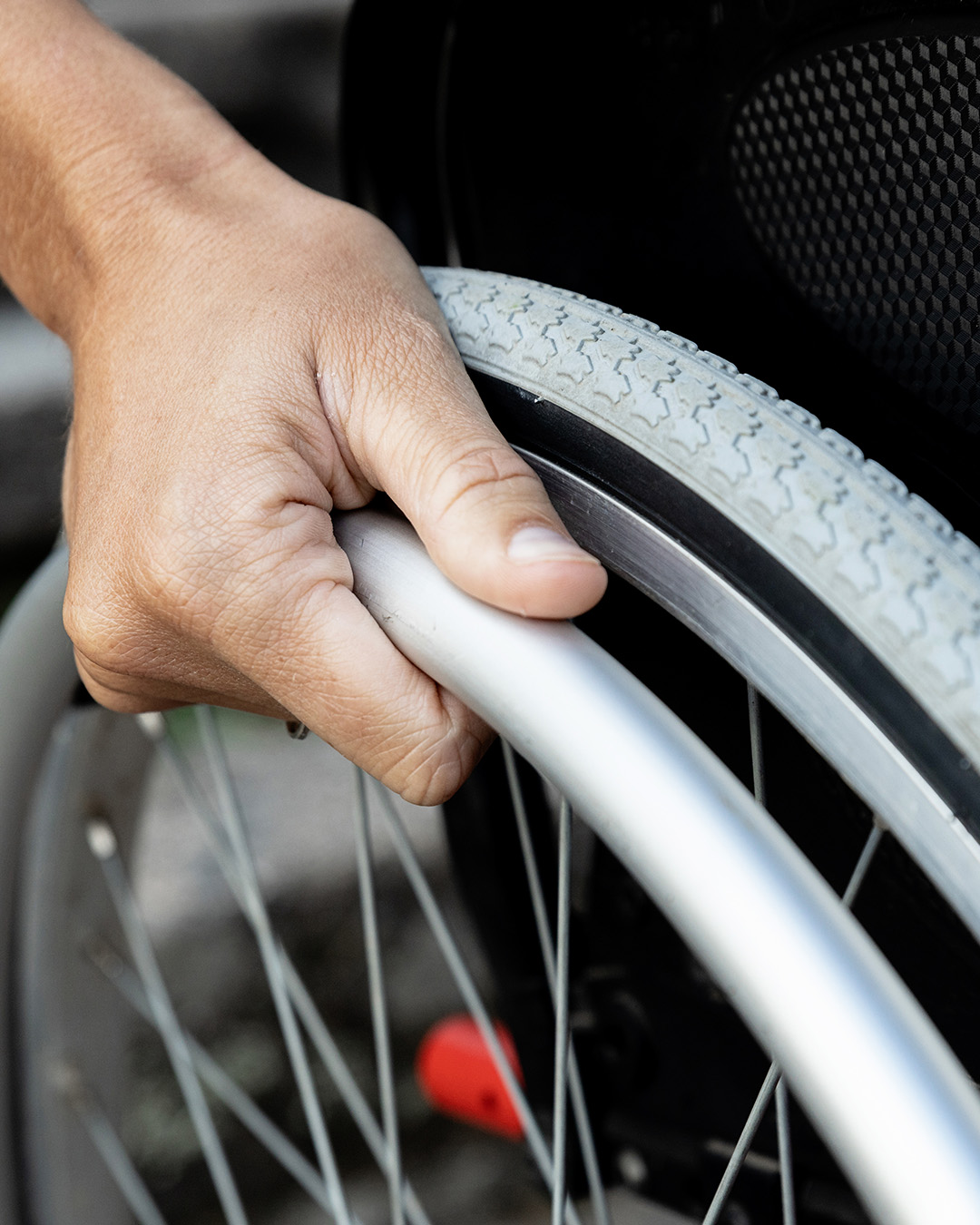
Can you donate plasma in a wheelchair?
Yes, as long as you can safely transfer to the donation bed. Staff can assist.
Can you donate plasma if you take medication?
Many medications are acceptable. Some affect eligibility—staff will review during screening.
Can someone accompany me to donate plasma?
Yes, health aides and personal assistants are welcome at all CSL Plasma centers.