Your First Time Donating Plasma: Safety, Preparation, & What to Expect
Your First Time Donating Plasma: What to Expect & How to Prepare
Donating plasma is safe
At CSL Plasma, we follow strict safety guidelines and take your health very seriously.
- During our screening process, trained staff perform a physical exam to identify any potential health risks. If screening shows that donating may not be safe for you, you won’t be allowed to donate that day.
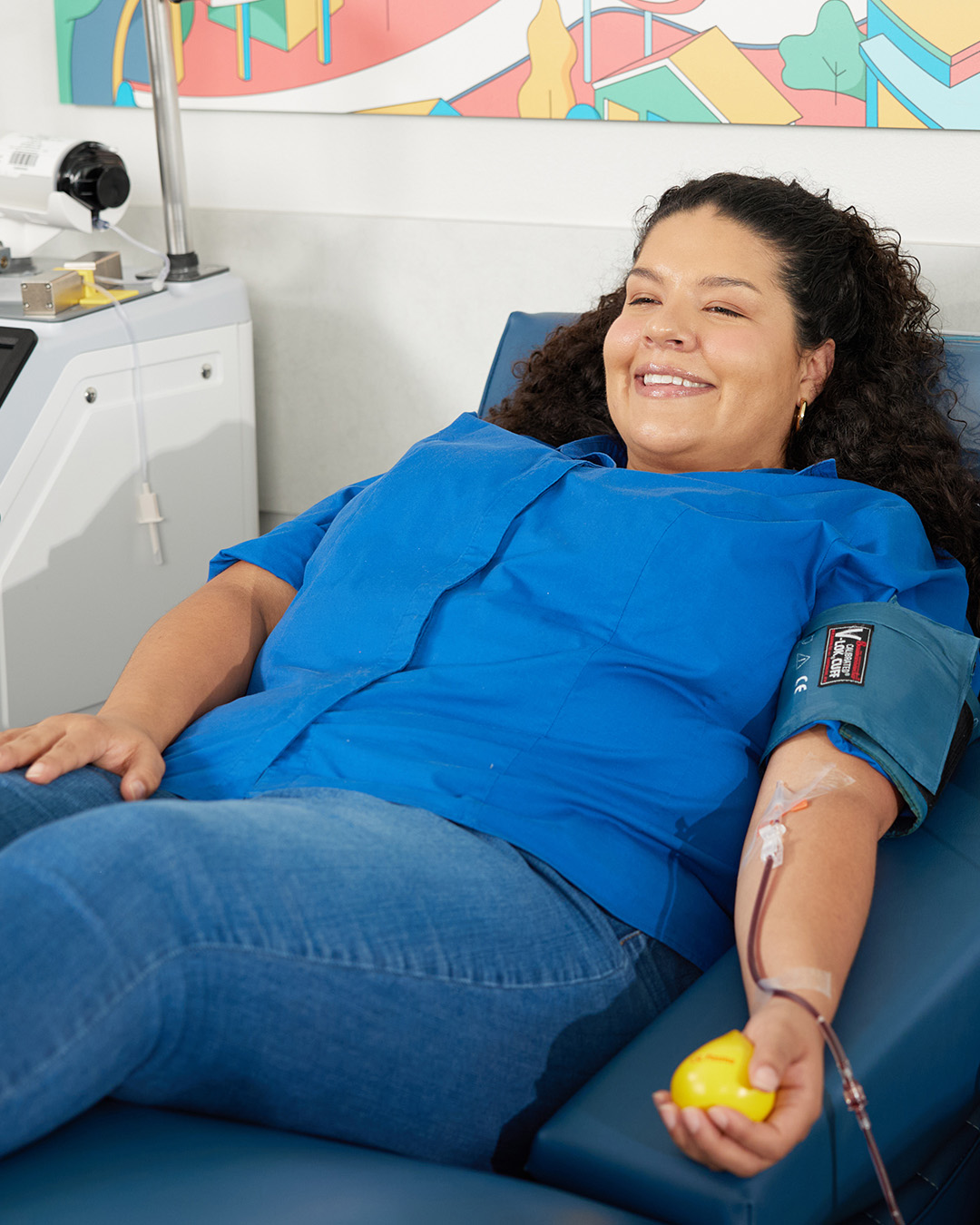
- During donation, trained phlebotomists safely collect plasma using FDA-cleared plasmapheresis equipment, which separates the plasma and safely returns your blood components to you.
- We have a lot of experience. CSL Plasma is one of the world’s largest and most sophisticated plasma collection networks, with approximately 300 plasma collection centers in the U.S. and Europe.
Donating plasma is sterile
Keeping our centers safe, healthy, and clean is one of our top priorities.
- Our donation centers meet all industry standards for safety and cleanliness. We follow rigorous protocols in every aspect of our operations.
- Our highly trained staff wear gloves, gowns, and face shields during all donations.
- Sterile single-use needles and collection containers are used for every donation.
Donating plasma is mostly painless—after a little pinch
Is this your first time donating plasma? Our staff is here to make you feel comfortable throughout the process. Here’s what you can expect:
- During your screening, our team will prick your finger to draw a blood sample.
- At the start of your donation, you will feel a quick, sharp pinch when the needle is inserted. Kind of like a bee sting, it fades after a second or two. Our trained phlebotomists make this as quick and comfortable for you as possible.
- The rest of the donation is typically painless. You might feel a little chilly—that’s the saltwater solution being returned to your body.
Donating plasma is considered safe for eligible healthy donors
It’s important to know, so we’ll say it: for most people, donating plasma does not negatively affect short-term or long-term health.
Your body will regenerate the same amount of plasma you donated. Within about 48 hours after your donation, your plasma level will be back to the way it was before. Because of this, FDA guidelines allow people to donate up to twice a week.
When you donate plasma, there are a few potential side effects that can occur. Many can be minimized or avoided with proper planning.
How to prepare for your plasma donation appointment
Before you donate plasma, there are a few things you can do to make the process as smooth as possible and reduce your chance of experiencing side effects.
- Prepare for your plasma donation. Learn how to prepare to donate plasma, including what to do, what to avoid, and what to bring with you when you donate. In short, be sure to stay hydrated, eat a well-balanced, low-fat meal, and get a good night’s sleep.
- Eat foods rich in iron and protein and drink plenty of water. Good options include lean meats, fish, beans, nuts, and leafy green vegetables. Find a list of more recommended foods.
- Be ready to help your body recover after you donate. You can do so by taking a few easy steps, like eating another light meal and avoiding smoking. Read our guide to a smooth recovery.
After you donate, you should also be prepared to feel amazing—because you helped change or even save another person’s life.
Find a donation center near you.
FAQs
How long does your first plasma donation take?
First-time donations typically take 60-90 minutes including screening; subsequent visits are faster (30-45 min).
What should I do to prepare for my first plasma donation?
Eat a protein-rich meal, drink plenty of water, get good sleep, and bring valid ID.
Does donating plasma hurt the first time?
Most donors feel only a brief pinch during needle insertion; the rest of the process is typically painless.
What happens during your first plasma donation?
Health screening, vital check, then plasmapheresis where plasma is collected and red blood cells returned.
Explore More Articles

After Donating Plasma: What to Eat, Drink & Expect
25 August, 2024
Have you ever wondered what to expect after donating plasma? We'll take you through what to do after donating plasma, the common side effects you might experience, and how long until you can donate again!
Difference Between Plasma, Platelet, & Blood Donation
31 January, 2024
Have you ever wondered how you can help others in need? Donating plasma, platelets, or blood is a great way to make a difference in someone's life. In this blog post, we will discuss the differences between plasma, platelet, and blood donation, including the donation process, eligibility, and benefits. We will also provide information on how to prepare for plasma donation and how to sign up to donate plasma with CSL Plasma.